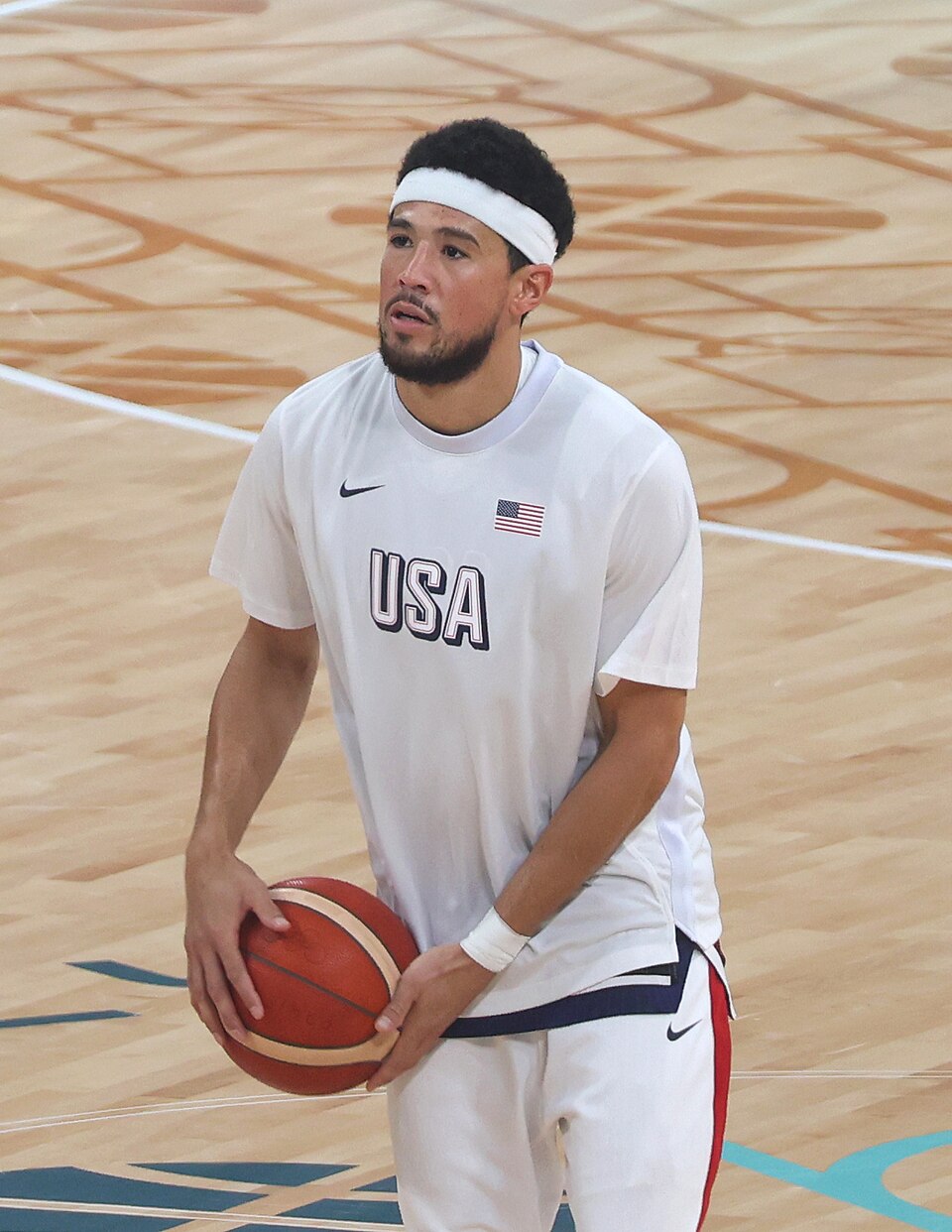
The Impact of Minutes Matters: Navigating Booker Games Played Eligibility in Modern NBA
In the highly competitive world of professional basketball, consistency is king. While athletic prowess and scoring ability define superstar status, sustained availability—the sheer number of games a star plays throughout the demanding NBA season—has become an increasingly critical factor for both individual accolades and team success. The concept of Booker Games Played Eligibility exemplifies this shift. As elite players like Devin Booker navigate their careers, they must contend not only with opponents' defenses but also with league-mandated thresholds that dictate who is considered eligible for major end-of-season honors.
The NBA has continually refined its criteria to ensure fairness in award voting, making the games played count a powerful variable. This system means that even two players of equal skill and impact can experience vastly different professional trajectories simply based on minutes missed due to injury, suspension, or rest. Understanding these evolving eligibility requirements is crucial for fans, analysts, and especially the players themselves.
The 65-Game Threshold: How Missing Minutes Impacts Glory
One of the most significant changes impacting modern award eligibility centers around a specific games threshold—often cited around the 65-game mark. This policy is designed to create a more equitable playing field for awards like Defensive Player of the Year or inclusion on All-NBA rosters. When a notable player, such as Donovan Mitchell (who recently crossed this threshold), faces minutes missed, the immediate consequence ripples across the league’s competitive landscape.
The impact is not merely numerical; it shifts the narrative and the perceived depth of talent available for recognition. Players who frequently miss time, even if their underlying talent remains elite, suddenly find themselves categorized differently by voting bodies. This forces contenders to focus intensely on maximizing every single minute they are on the court.
For players like Devin Booker, whose career peak requires intense physical output and sustained presence, the concern over Booker Games Played Eligibility is a constant background hum. It necessitates proactive management of load, smart rest strategies, and prioritizing longevity alongside performance. Failing to address minutes played can undermine stellar seasonal statistics.
All-NBA Teams and the Depth of Talent
Nowhere is the effect of games played more pronounced than on All-NBA team selections. Historically, these teams recognized the league's best performers across all metrics. However, the rigidity imposed by availability creates a powerful ripple effect, often elevating players who might otherwise have been overlooked.
When established stars—the type of player who previously guaranteed their spot—are sidelined for significant periods, the vacuum must be filled by others. This opens up opportunities for mid-tier and high-potential players to make a name for themselves. The list of potentially impacted names is always volatile, but it serves as a reminder that NBA excellence is deep, not just concentrated at the top.
- Focus Shift: Awards increasingly value consistent contribution over sporadic brilliance.
- Strategic Importance: Teams must structure their rotation to compensate for potential absences rather than relying solely on star power.
- Fan Awareness: Fans are now savvier, understanding that advanced metrics and minutes played contribute significantly to career evaluation.
If you want a deeper dive into who is currently affected by these stringent rules, take a look at this detailed breakdown of Eligibility Shakeup: Who Loses Their Shot at All-NBA Honors?
Practical Strategies for Players and Fans
For the Player: Maximizing Minutes While Maintaining Peak Performance
From a player's perspective, managing minutes is akin to managing an investment portfolio. The goal is sustainability. Key strategies include:
- Data-Driven Rest: Working closely with performance staff and medical teams to identify true fatigue markers versus soreness.
- Load Management Awareness: Understanding when the marginal gain in play outweighs the long-term risk of injury or chronic overuse.
- Internal Advocacy: Openly communicating needs to coaches to ensure they understand the importance of playing time for career longevity and award consideration.
For the Fan/Analyst: Reading Between the Lines
As an informed observer, recognizing eligibility limitations allows you to predict outcomes with greater accuracy. When analyzing a season, don't just look at PPG (points per game); always consider the games played metric alongside advanced usage rates. Furthermore, understanding the nuances of Understanding NBA's 65-Game Threshold and Award Eligibility Changes is critical context.
Beyond the Numbers: The Intangible Value of Consistency
While statistical eligibility cuts are real, they cannot account for the intangible qualities that define greatness—leadership, clutch performance, and locker room presence. These factors often become amplified when star players face minutes limitations.
When Devin Booker or another perennial contender is facing uncertainty regarding their Booker Games Played Eligibility status, it highlights a fundamental shift: peak athleticism alone is insufficient. A superstar must also be reliable. Their commitment to showing up and being available for the toughest stretches of the season becomes part of their legacy narrative.
This emphasis on consistency doesn't diminish the importance of individual talent; rather, it simply reframes how that talent must be packaged and sustained throughout a grueling modern NBA calendar. The ability to remain healthy and active year after year is perhaps the greatest athletic achievement of all.
Conclusion: Adaptation is Key in Modern NBA Competition
The saga of Booker Games Played Eligibility and similar thresholds for other superstars serve as powerful case studies in professional sports management. The modern NBA demands not only exceptional skill but also meticulous physical planning and unwavering availability. For players, this means integrating health and durability into their core athletic identity. For fans, it means approaching award cycles with a critical eye, understanding that the final roster of honorees is determined by a complex equation involving talent, performance, and time on the court. The league continues to evolve its rules, ensuring that continuous adaptation—both physical and strategic—remains the ultimate currency in the NBA.